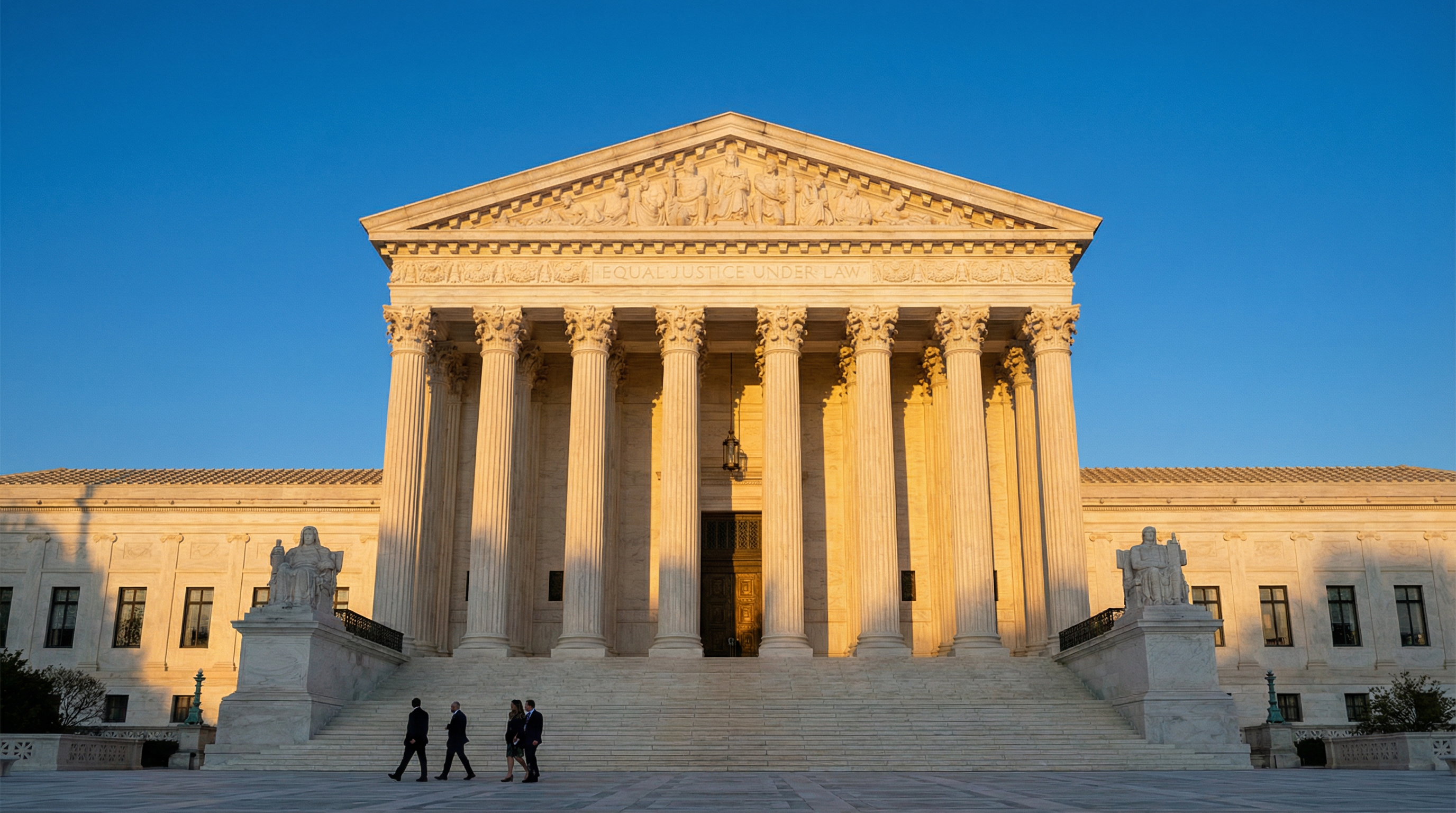
Employment Discrimination in Federal Court: Filing a Title VII Claim
Title VII of the Civil Rights Act of 1964 is the cornerstone of federal employment discrimination law. It prohibits employers with 15 or more employees from discriminating against employees and job applicants based on race, color, religion, sex, or national origin. Understanding how to pursue a Title VII claim in federal court is essential for employees who have experienced workplace discrimination.
Protected Categories Under Title VII
Title VII prohibits discrimination based on:
- Race and Color
- Religion (including reasonable accommodation of religious practices)
- Sex (including pregnancy, sexual orientation, and gender identity following Bostock v. Clayton County, 2020)
- National Origin
Types of Discrimination Claims
Disparate Treatment: Intentional discrimination where an employee is treated differently because of a protected characteristic. The plaintiff must establish that the protected characteristic was a motivating factor in the adverse employment action.
Disparate Impact: Facially neutral employment practices that disproportionately affect members of a protected group. The employer may defend by showing the practice is job-related and consistent with business necessity.
Hostile Work Environment: Unwelcome conduct based on a protected characteristic that is severe or pervasive enough to create an abusive working environment. The standard is both subjective (the plaintiff found it hostile) and objective (a reasonable person would find it hostile).
Retaliation: Adverse action taken against an employee for engaging in protected activity, such as filing a discrimination complaint or participating in an investigation.
The Administrative Process
Before filing a lawsuit in federal court, a Title VII plaintiff must exhaust administrative remedies:
-
File a Charge with the EEOC: A charge of discrimination must be filed with the Equal Employment Opportunity Commission within 180 days of the discriminatory act (or 300 days if a state or local agency enforces a similar law).
-
EEOC Investigation: The EEOC will investigate the charge and attempt conciliation if it finds reasonable cause to believe discrimination occurred.
-
Right to Sue Letter: If the EEOC does not resolve the charge, it will issue a right-to-sue letter. The plaintiff then has 90 days to file a lawsuit in federal court.
Proving a Title VII Case
The burden-shifting framework established in McDonnell Douglas Corp. v. Green (1973) governs most Title VII cases:
Step 1 - Prima Facie Case: The plaintiff must establish a prima facie case of discrimination by showing membership in a protected class, qualification for the position, adverse employment action, and circumstances giving rise to an inference of discrimination.
Step 2 - Legitimate Reason: The burden shifts to the employer to articulate a legitimate, non-discriminatory reason for the action.
Step 3 - Pretext: The plaintiff must then show that the employer's stated reason is pretextual — that is, not the true reason for the action.
Remedies Available
Successful Title VII plaintiffs may recover:
- Back pay and front pay
- Compensatory damages for emotional distress
- Punitive damages (capped based on employer size)
- Attorney's fees and costs
- Injunctive relief (reinstatement, policy changes)
Conclusion
Title VII provides vital protections against workplace discrimination, but pursuing these claims requires careful attention to procedural requirements and evidentiary standards. Consulting with an experienced employment discrimination attorney early in the process can significantly improve the likelihood of a successful outcome.
This article is for informational purposes only and does not constitute legal advice.
About the Author
Elena Rodriguez
Federal Civil Rights & Employment Discrimination
Chicago, Illinois
Elena Rodriguez is a civil rights and employment law attorney who has litigated landmark Section 1983 cases and Title VII employment discrimination claims in federal courts. She is a passionate advocate for workers' rights and equal justice.